
Performance Optimization Techniques for Modern Web Development
In today’s competitive digital world, Performance Optimization Techniques are essential for building a fast loading website that ranks well and converts users. Slow websites damage user experience, reduce conversion rate optimization, and negatively impact SEO ranking.
Over the years, I have refined practical website performance optimization methods that I apply in every project. Below are 9 proven strategies that consistently deliver measurable improvements.
1. Code Optimization for Clean Architecture
The foundation of strong Performance Optimization Techniques starts with clean code.
I apply clean code principles, remove unused CSS, and optimize JavaScript performance. Writing efficient HTML CSS optimization structures ensures better rendering speed.
Reducing unnecessary libraries improves frontend performance and enhances website speed optimization. Proper code splitting ensures only required resources load first, improving the page load speed.
2. Image Optimization for Faster Loading
Images often slow down websites. I implement strong image optimization techniques such as compression and modern formats.
Using WebP image format reduces file size without quality loss. I also apply responsive images and correct dimensions to avoid layout shifts.
Optimized images significantly improve Core Web Vitals and contribute to a fast website design.
3. Caching Strategy Implementation
One of the most effective Performance Optimization Techniques is proper caching.
I configure browser caching, use server side caching, and implement content delivery network solutions to serve static files faster.
A reliable CDN such as Cloudflare enhances website speed optimization globally by reducing server response time.
4. Minification and File Compression
Reducing file size improves website performance optimization instantly.
I apply CSS minification, JavaScript minification, and enable Gzip compression to reduce payload size.
Smaller files mean faster delivery, better technical SEO, and improved search engine ranking.
5. Lazy Loading for Smart Resource Management
Implementing lazy loading images and scripts ensures resources load only when needed.
This improves page speed optimization, reduces initial load time, and supports better mobile website performance.
Lazy loading directly impacts Google ranking factors, especially for content-heavy websites.
6. Database Optimization for Backend Efficiency
Backend performance is critical in full-stack projects.
I apply database optimization techniques, optimize queries, and use indexing for faster retrieval. Efficient backend performance optimization reduces server load and improves web application performance.
When working with scalable applications, I optimize APIs using REST API optimization strategies.
7. Technical SEO and Performance
Strong Performance Optimization Techniques go hand-in-hand with technical SEO optimization.
I improve website structure optimization, fix broken links, and enhance internal linking strategy for better crawling.
I follow best practices from Google Search Central to ensure compliance with search engine guidelines.
Optimizing meta tags optimization, structured data, and schema improves visibility and indexing.
8. Mobile Performance Optimization
With mobile traffic dominating the web, mobile optimization techniques are critical.
I use mobile first design, optimize touch interactions, and test across devices to ensure responsive web design quality.
A mobile friendly website loads faster and improves user engagement metrics, lowering bounce rates.
9. Continuous Monitoring and Performance Testing
Performance optimization is not a one-time task.
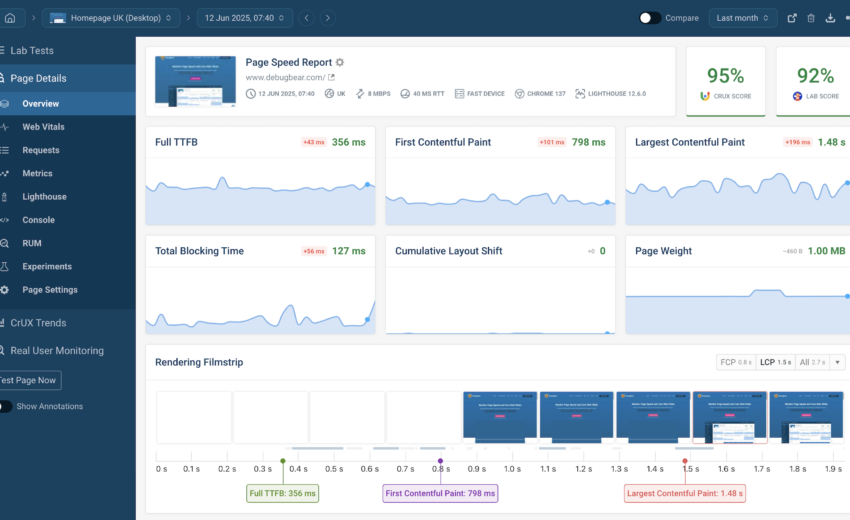
I use website speed test tools, analyze reports, and monitor Core Web Vitals optimization regularly.
Tools like GTmetrix help identify bottlenecks and refine strategies.
Tracking website analytics tools data helps measure real improvements in traffic and conversions.
Additional High-Impact Techniques I Use
Beyond the core strategies, I also apply:
-
website load time improvement
-
advanced caching techniques
-
web performance best practices
-
server response time optimization
-
frontend optimization techniques
-
backend speed optimization
-
SEO friendly website structure
-
website usability optimization
-
performance audit checklist
-
fast website hosting
These strategies ensure scalable growth and consistent results.
Internal Linking Strategy
To maximize SEO value, I connect optimization content with:
-
My web development services page
-
My SEO optimization services
-
Case studies about fast loading website projects
Strong internal linking strategy enhances authority and improves crawl efficiency.
Why Performance Optimization Matters
Applying the right Performance Optimization Techniques improves:
-
search engine optimization
-
conversion rate optimization
-
user experience design
-
website traffic growth
-
online business success
A slow website loses users. A fast website builds trust.
Final Thoughts on Performance Optimization Techniques
Using proven Performance Optimization Techniques in every project ensures sustainable growth, better rankings, and satisfied users.
From image optimization techniques to database optimization techniques, each improvement compounds into measurable performance gains.
Speed is no longer optional — it is a ranking factor, a usability factor, and a business factor.
If you want a high performance website, applying these Performance Optimization Techniques consistently will transform your digital presence. 🚀

February 12, 2026